
Blepharitis treatment in San Antonio
Calming red, itchy, crusty eyelids, and keeping them calm
Blepharitis is an inflammation of the eyelids that causes redness, irritation, itching, and crusting along the lid edges. While it’s not usually serious, blepharitis can be a chronic condition that needs consistent eyelid hygiene and, in some cases, medical treatment to keep symptoms under control. This page is about anterior blepharitis, the classic type that affects the front edge of the eyelid, where the lashes attach. At San Antonio Eye & Face Institute, our ophthalmologists find out what’s causing your blepharitis, including bacteria, Demodex mites, and skin conditions, and build a routine you can stick with. Dr. Maria Isabel Triana has a special interest in dry eye, which often goes along with blepharitis.
Looking for blepharitis of the oil glands? Inflammation of the inner eyelid and the meibomian glands (sometimes called posterior blepharitis) is called meibomian gland dysfunction. It’s a different problem with different treatment. Learn about meibomian gland dysfunction
Reviewed by Maria Isabel Triana, M.D. · Last updated: November 14, 2026
At a glance
| What it is | Inflammation of the front edge of the eyelids, where the lashes attach |
| Symptoms | Red, itchy, burning, or swollen lids; flaky or crusty lashes; lashes stuck together in the morning |
| Common causes | Bacteria on the lid edge, Demodex mites, seborrheic dermatitis; sometimes rosacea or allergies |
| Contagious? | Usually not |
| Outlook | Usually chronic. Controlled, not cured, with daily lid hygiene and sometimes medicine |
| Treatment | Warm compresses, eyelid cleansing, treating Demodex or bacteria, and treating related dry eye or MGD |
| Before eye surgery | Blepharitis should be treated first |
| Spanish | Se habla español |
What is blepharitis?
Blepharitis is inflammation of the eyelid margins. Bacteria, mites, and oily skin debris can build up where the lashes meet the lid, causing irritation and crusting. It’s very common, can affect people of all ages, and usually affects both eyes.
Anterior vs. posterior blepharitis
| Anterior blepharitis (this page) | Posterior blepharitis (MGD) | |
|---|---|---|
| Where | The outer, front edge of the lid, at the base of the lashes | The inner edge of the lid, where the meibomian oil glands open |
| What you see | Crusts, flakes, or sleeves at the base of the lashes; red lid edges | Clogged gland openings, thick or toothpaste-like oil, foamy tears |
| Main causes | Bacteria, Demodex mites, seborrheic dermatitis | Blocked or poor-quality oil from the glands |
| Main treatment | Lid cleansing, treating bacteria or Demodex | Warm compresses, gland treatments, prescription drops |
| Learn more | You’re here | Meibomian gland dysfunction |
Many people have both at the same time, and both can go along with dry eye. Dry eye treatment
Types of anterior blepharitis
| Type | What causes it | Clues |
|---|---|---|
| Staphylococcal (bacterial) | Overgrowth of bacteria that normally live on the lid edge | Crusting, brittle scales at the base of the lashes, red lid edges, sometimes lash loss |
| Seborrheic | An oily skin condition, often with dandruff of the scalp or eyebrows | Greasy, flaky scales on the lids, often with a flaky scalp, brows, or face |
| Demodex | Tiny mites that live on the lashes | Cylindrical “sleeves” (collarettes) at the base of the lashes, itching, especially in the morning |
Many people have a mix of these types, and the treatment is tailored to what we find on your exam.
Symptoms
- Red, swollen, or irritated eyelids
- Itching or burning of the lid edges, often worse in the morning
- Crusting or flaking at the base of the lashes
- Lashes that stick together when you wake up
- A gritty or “something in my eye” feeling, and watery eyes
- Light sensitivity, and blurry vision that clears with blinking
- Eyelash loss, lashes growing in odd directions, or recurring styes
- Discomfort with contact lenses
Symptoms often come and go, with flare-ups.
What causes it, and who is at risk?
- Bacteria on the skin and lid edge, which can overgrow
- Demodex mites, which are more common as we get older
- Seborrheic dermatitis (dandruff or oily, flaky skin)
- Rosacea, a skin condition that often involves the eyelids
- Allergies, and reactions to eye makeup, products, or drops
- Dry eye and meibomian gland dysfunction, which often go along with blepharitis
- Eye makeup on the lid edges that isn’t removed nightly, and eyelash extensions or lash products
- Contact lens wear
- Age: it’s more common in older adults, but it can occur at any age
It’s not a sign that you’re unclean, and it isn’t usually contagious.
Complications
Blepharitis is not usually serious, but if it’s not controlled, it can lead to:
- Styes and chalazia Learn about styes and chalazia
- Dry eye and unstable vision
- Contact lens intolerance
- Eyelash loss or misdirected lashes
- Inflammation of the cornea (rare), causing pain, redness, and light sensitivity
- Higher infection risk around eye surgery, which is why we treat blepharitis before cataract surgery

When to see an eye doctor
See us if your symptoms don’t improve with home care, keep coming back, or affect your vision, or if you’re losing eyelashes. Get care promptly if you have severe eye pain, light sensitivity, vision changes, a swollen red eyelid with fever, or a sore or lump on one eyelid that doesn’t heal, since a persistent one-sided eyelid problem needs an exam to rule out other causes.
How we diagnose blepharitis
We ask about your symptoms, skin conditions (such as rosacea and dandruff), and eye makeup and lens use. Then Dr. Triana or Dr. Jones examines your eyelids and lashes with a slit lamp, looking at the lid margins, the base of the lashes, and the glands. We look for crusts, scales, redness, and cylindrical sleeves (a sign of Demodex), and we check your tear film and meibomian glands, since dry eye and MGD often occur together. Most people don’t need special tests, and we keep testing focused so your money goes toward treatment.
Treatment
Blepharitis is managed, not cured, so the foundation is a daily eyelid hygiene routine.
Daily eyelid hygiene
- Warm compress. Hold a clean, warm (not hot) compress on your closed eyelids for 5 to 10 minutes to loosen crusts.
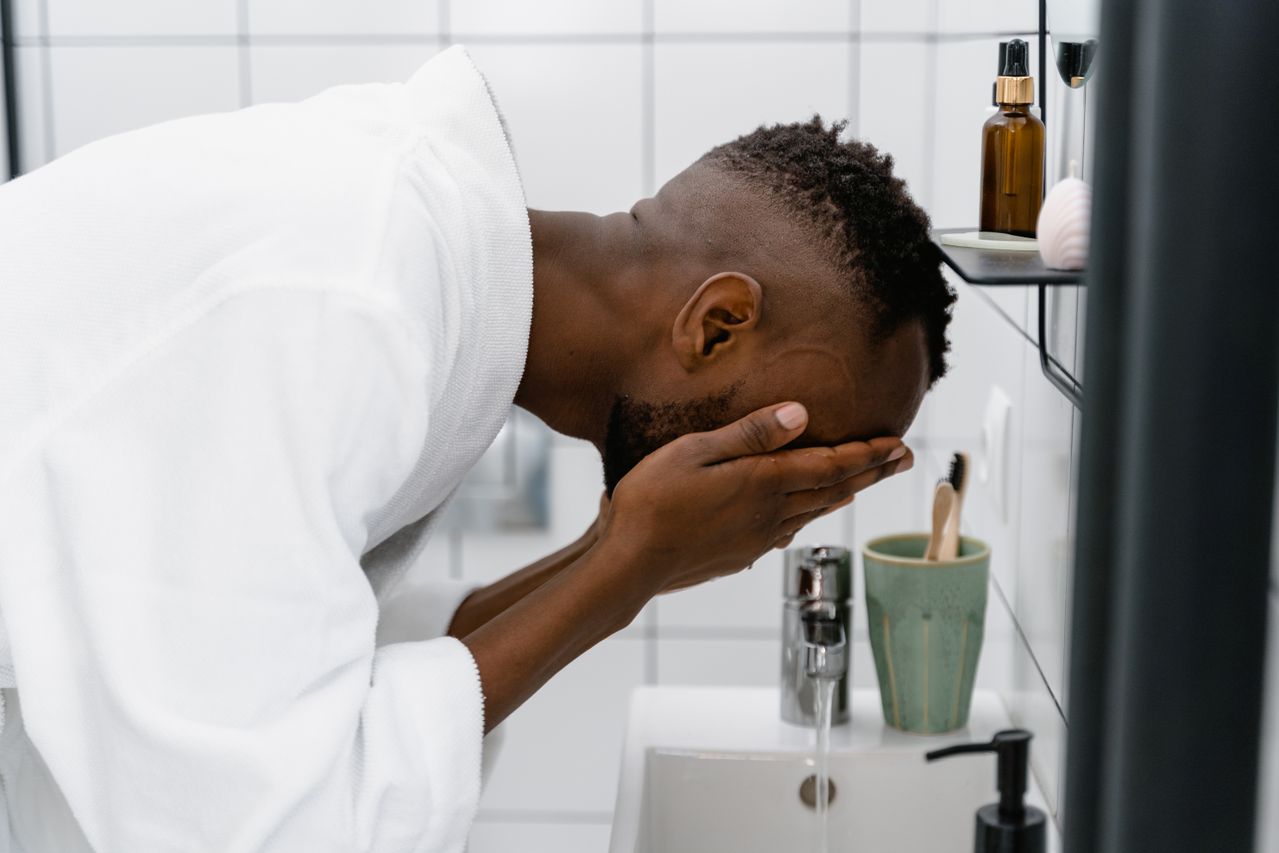
- Gently clean the lash line. With your eyes closed, use an eyelid cleanser (a lid wipe, foam, or pad made for eyelids) on a clean fingertip, pad, or swab to gently scrub along the base of the lashes.
- Rinse and pat dry.
- Repeat once or twice a day until the lids calm down, then continue daily or a few times a week as a maintenance routine. Stopping is the most common reason blepharitis returns.
- Remove all eye makeup every night, replace old makeup, and avoid eye makeup, contact lenses, and lash extensions during flare-ups.
Choosing a cleanser: use products made for the eyelids, such as lid wipes, foams, and hypochlorous acid sprays. Don’t use undiluted tea tree oil, which can irritate or damage the eye, and be careful with soaps and shampoos that sting or dry the lids. Ask us which product is right for you.
Treating Demodex
When mites are contributing, we diagnose Demodex by looking for cylindrical sleeves at the base of the lashes on a slit lamp exam. Treatment starts with a tea tree oil eyelid cleanser made for the eyes. (Insurance typically requires this step first.) At your follow-up, we typically start Xdemvy (lotilaner) eye drops, twice a day for 6 weeks, a prescription treatment for Demodex blepharitis.
Medicine for bacterial blepharitis and flare-ups
- Antibiotic ointments or drops applied to the lid edge reduce bacteria
- Short courses of anti-inflammatory drops for flare-ups. Steroids are used carefully and briefly, since they can raise eye pressure. As a glaucoma specialist, Dr. Jones monitors pressure when steroids are needed. Glaucoma
- Oral antibiotics, such as doxycycline, for stubborn blepharitis or rosacea, sometimes at low doses. They aren’t right for everyone (for example, during pregnancy), so tell us about your health and medicines.
Treating the underlying conditions
- Seborrheic dermatitis: a medicated dandruff shampoo on the scalp and brows, and sometimes care from a dermatologist
- Rosacea: treatment with your dermatologist can help the eyelids too
- Dry eye and meibomian gland dysfunction: treating them helps blepharitis stay controlled.
- Allergies: Eye allergies
We don’t offer in-office eyelid cleaning. We believe most patients can care for their eyelids very well at home, so we teach you the routine, answer your questions, and check your progress at follow-up visits.
What to expect
Many people notice improvement within a few weeks of consistent care, but blepharitis commonly returns if you stop. Think of it like brushing your teeth: a few minutes a day keeps it under control. We’ll check your progress and adjust your plan at follow-up visits.
Blepharitis and eye surgery
Active blepharitis can raise the risk of infection and affect healing, and it can interfere with the measurements used to choose your lens. That’s why we treat blepharitis before cataract surgery, premium lens surgery, or LASIK. Dr. Jones performs cataract surgery. Cataract surgery · Premium lens options
Blepharitis in children
Children can get blepharitis, often with seborrheic dermatitis or recurring styes and chalazia. It’s usually managed with gentle lid hygiene, but see us if a child’s eyelids are very red, swollen, or crusty, or if it doesn’t improve. Styes and chalazia
Cost and insurance
An eye exam for blepharitis is generally covered by medical insurance, while over-the-counter eyelid cleansers are paid out of pocket and prescription medicines are covered according to your drug plan. Call us and we’ll check your benefits. See insurance we accept
Why choose San Antonio Eye & Face Institute
- We find the cause. Bacteria, Demodex, a skin condition, dry eye, or a mix. Then we tailor the treatment.
- We teach you the routine, so you can manage blepharitis yourself, with follow-up to adjust your plan
- A clear Demodex protocol: diagnosis on slit lamp exam, a tea tree oil eyelid cleanser, then Xdemvy when appropriate
- Dry eye and eyelid expertise. Dr. Triana has a special interest in dry eye, and we offer meibomian gland thermal treatments for MGD.
- Careful with steroids. Dr. Jones is a glaucoma specialist, and we monitor eye pressure when steroids are needed.
- Eye surgery experience, so we make sure your eyelids are ready before cataract surgery
- Physician-owned, so you see your doctors from your first exam to your last follow-up
- Se habla español
Request an Eyelid Evaluation
Call (210) 485-1488
Frequently asked questions
What is blepharitis? Blepharitis is inflammation of the eyelids that causes redness, irritation, itching, and crusting along the eyelid edges. It is common and usually not serious, but it is often a chronic condition that needs consistent eyelid hygiene and, sometimes, medical treatment.
What is the difference between anterior and posterior blepharitis? Anterior blepharitis affects the outer, front edge of the eyelid where the eyelashes attach. Posterior blepharitis affects the inner edge of the eyelid and the meibomian oil glands and is called meibomian gland dysfunction. Many people have both.
What are the symptoms of blepharitis? Common symptoms include red, swollen, itchy, or burning eyelids, flaky or crusty debris at the base of the lashes, lashes that stick together in the morning, a gritty feeling, tearing, and light sensitivity. Some people also have eyelash loss, recurring styes, or discomfort with contact lenses.
What causes anterior blepharitis? Common causes include bacteria that live on the eyelid edge, Demodex mites, and seborrheic dermatitis (dandruff-like skin inflammation). Rosacea, allergies, dry eye, and eye makeup can also contribute. Often more than one factor is involved.
What are Demodex mites, and do they cause blepharitis? Demodex mites are tiny mites that live on the eyelashes and in the eyelid glands. They are common, but in some people they cause blepharitis, and they leave cylindrical “sleeves” at the base of the lashes that we can see on a slit lamp exam.
Is blepharitis contagious? Usually not. Blepharitis comes from bacteria and mites that normally live on the skin, not from catching an infection from someone else. It is still a good idea to wash your hands, avoid touching your eyes, and not share towels or makeup.
Can blepharitis be cured? Blepharitis is usually a chronic condition that is controlled rather than cured. Most people keep their symptoms under control with consistent daily eyelid hygiene and, when needed, medical treatment, but it can flare up again if you stop.
How do I clean my eyelids with blepharitis? Apply a clean, warm compress to your closed eyelids for 5 to 10 minutes to loosen crusts. Then gently scrub along the base of the lashes with an eyelid cleanser on a clean fingertip, pad, or swab, rinse, and repeat daily, then continue as a maintenance routine.
Do you offer in-office eyelid cleaning? We do not offer in-office eyelid cleaning because we believe most patients can care for their eyelids very well at home. We will teach you the routine and check your progress at follow-up visits.
Is it safe to use baby shampoo or tea tree oil on my eyelids? Use products made for the eyelids. Undiluted tea tree oil can irritate or damage the eye, and some shampoos sting or dry the lids. Ask us which cleanser is right for you.
What prescription treatments are used for blepharitis? Treatment may include antibiotic ointments or drops, short courses of anti-inflammatory drops for flare-ups, oral antibiotics in some people, and Xdemvy (lotilaner) eye drops for Demodex blepharitis. Your doctor will choose treatment based on your exam.
How is Demodex blepharitis diagnosed and treated? We diagnose Demodex by looking for cylindrical sleeves at the base of the eyelashes during a slit lamp exam. Treatment starts with a tea tree oil eyelid cleanser, and at follow-up we typically start Xdemvy (lotilaner) drops twice a day for 6 weeks, since insurance usually requires the cleanser to be tried first.
How long does it take for blepharitis to improve? Many people notice improvement after a few weeks of consistent care, but blepharitis often returns if you stop, so most people need ongoing eyelid hygiene.
Can blepharitis cause styes or chalazia? Yes. Inflamed, clogged eyelid glands and bacteria can lead to styes and chalazia, and treating the blepharitis can help reduce how often they come back.
Can blepharitis affect my vision or cause dry eye? Blepharitis often goes along with dry eye and can cause blurry vision that clears with blinking, tearing, and contact lens discomfort. Rarely, long-standing blepharitis can inflame the cornea, so see us if you have pain, light sensitivity, or vision changes.
Should blepharitis be treated before cataract surgery? Yes. Active blepharitis can raise the risk of infection and affect healing, so we treat it before cataract or other eye surgery.
Can I wear eye makeup or contact lenses with blepharitis? It is best to avoid eye makeup and contact lenses during flare-ups. Remove makeup every night, replace old makeup, and be aware that eyelash extensions and lash products can make blepharitis harder to control.
When should I see an eye doctor for blepharitis? See an eye doctor if your symptoms do not improve with home care, keep coming back, or affect your vision, or if you have eyelash loss. Get care promptly for severe eye pain, light sensitivity, a swollen red eyelid with fever, or a sore on one eyelid that does not heal.
Is blepharitis treatment covered by insurance? An eye exam for blepharitis is generally covered by medical insurance, while over-the-counter eyelid cleansers are paid out of pocket and prescription medicines are covered according to your drug plan.
Who treats blepharitis at your practice? Our ophthalmologists evaluate and treat blepharitis, and Dr. Maria Isabel Triana has a special interest in dry eye and meibomian gland dysfunction, which often occur together with blepharitis.
This page is for general education and isn’t medical advice. Only an eye doctor can diagnose the cause of eyelid inflammation and recommend treatment. Never start or stop a medicine without talking to your doctor.