

Sports eye injuries in San Antonio
Expert evaluation of blunt eye trauma, from the field to follow-up
Sports eye injuries can occur from impacts, projectiles, or accidents during physical activity. A ball, puck, stick, racket, elbow, or fist can cause pain, vision changes, and even damage to the structures of the eye. Common injuries include corneal abrasions, hyphema (bleeding in the eye), retinal detachment, and foreign bodies lodged in the cornea, and protective eyewear can prevent many of them. At San Antonio Eye & Face Institute, Dr. Relief Jones, III, a glaucoma specialist trained at Massachusetts Eye and Ear and Harvard, has particular expertise in closed-globe trauma such as blunt sports injuries, and he served as a team physician for the San Antonio Rampage hockey team for six years. He knows what these injuries look like on the ice and in the exam room, and what can go wrong months or years later.
Reviewed by Relief Jones, III, M.D. · Last updated: November 14, 2026
Go to the emergency room or call 911 now for:
- A chemical splash, after flushing with clean water for at least 15 minutes
- A penetrating injury or object stuck in the eye. Don’t press, rub, rinse, or remove it. Shield the eye
- Sudden vision loss, double vision, or severe pain
- Blood in the eye, a badly swollen eye, or a head injury with vision problems
- New flashes, a shower of floaters, or a curtain over your vision after a blow
Severe chemical and penetrating injuries should go to a trauma center like UT Health. See our eye infections and injuries page
At a glance
| What they are | Eye injuries from impacts, projectiles, or accidents during sports |
| Common injuries | Corneal abrasions, black eyes, foreign bodies, hyphema, retinal tears and detachment, orbital fractures, lens and drainage-angle damage |
| Most are closed-globe | The eye wall stays intact, but structures inside can be damaged |
| Why a glaucoma specialist | Blunt trauma can damage the eye’s drainage angle and cause glaucoma, even years later |
| First step | Stop playing, don’t rub or press, shield the eye, and get it checked the same day |
| Return to play | Only after an eye doctor clears you |
| Prevention | Protective sports eyewear designed for your sport |
| Experience | Dr. Jones: Harvard-trained glaucoma specialist; team physician for the San Antonio Rampage for six years |
Why sports eye injuries matter
Eye injuries are a leading cause of preventable vision loss, and sports are a common cause, particularly in children and teens. In the United States, roughly 30,000 sports-related eye injuries are treated in emergency departments each year, and most could be prevented with the right eyewear. An injury that seems minor on the field can have serious effects, and some of the worst problems, like glaucoma, show up long after the bruise has faded.
Sports with the highest risk
Sports with balls, pucks, sticks, rackets, or close contact carry the most risk:
- Basketball (fingers and elbows are a major cause)
- Baseball and softball
- Tennis, pickleball, and racquetball
- Hockey and lacrosse (pucks, sticks, and balls)
- Soccer and football
- Paintball, airsoft, and BB guns
- Boxing and martial arts
- Fishing (hooks and lures), water sports, and golf
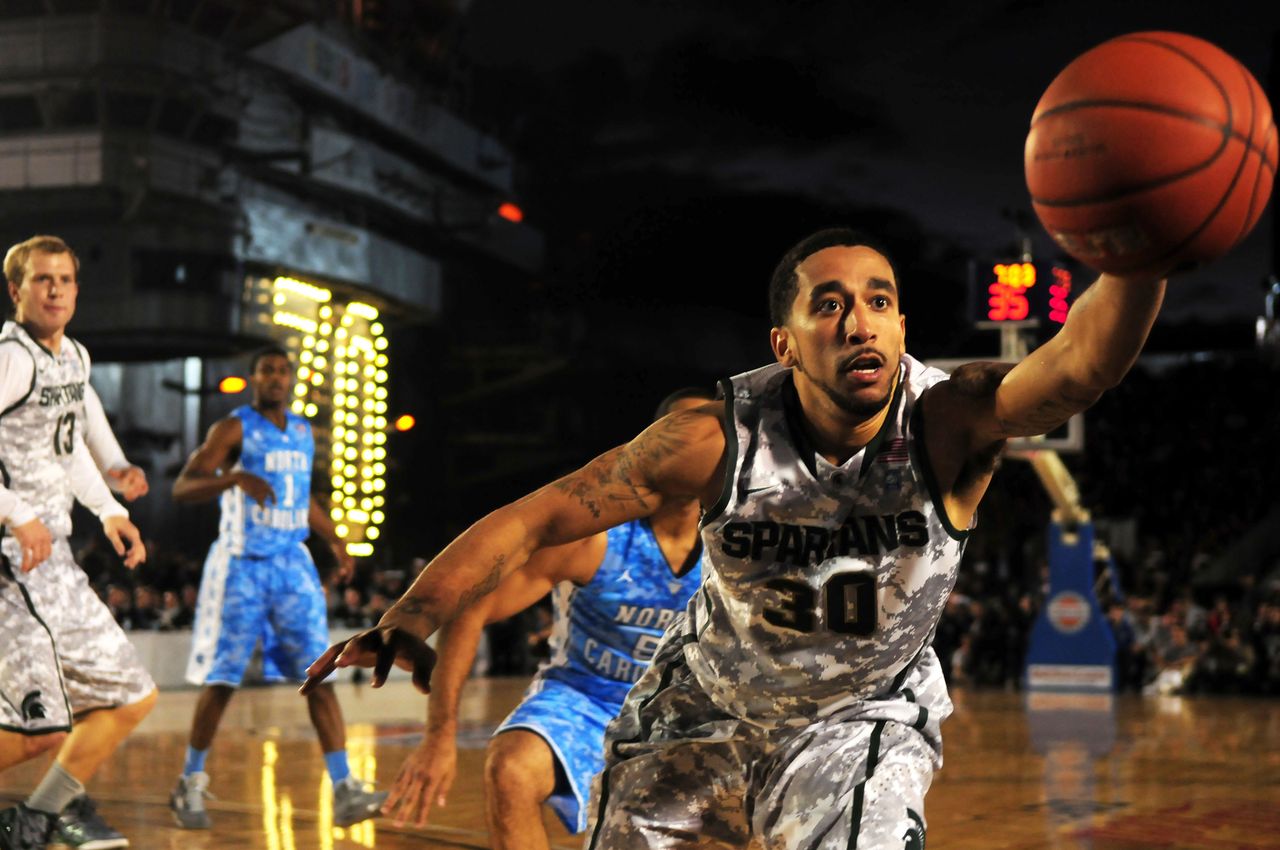
Closed-globe vs. open-globe injuries
- Closed-globe injuries happen when the eye is struck by a blunt object, such as a ball, puck, elbow, or fist. The wall of the eye stays intact, but the force travels through the eye and can damage structures inside, including the cornea, iris, drainage angle, lens, retina, and optic nerve. Most sports injuries are closed-globe injuries, and they’re a major focus of Dr. Jones’s expertise.
- Open-globe injuries cut or penetrate the wall of the eye (for example, from a sharp object, a high-speed fragment, or fireworks). They’re a surgical emergency and should go to a trauma center right away.
Common sports eye injuries
| Injury | What it is | Signs | What happens next |
|---|---|---|---|
| Corneal abrasion | A scratch on the surface of the cornea (a finger, a ball, dust) | Pain, tearing, feeling something is in the eye, light sensitivity | Usually heals in days with treatment. Can become infected |
| Foreign body | A speck of dirt, metal, or other material stuck on the cornea | Irritation, tearing, redness | Removed carefully in the office. Metal or high-speed objects go to the ER |
| Black eye | Bruising around the eye | Swelling, bruising, tenderness | Often heals alone, but can hide serious injury. Needs an exam if vision changes |
| Hyphema | Bleeding in the front of the eye, between the cornea and iris | Pain, blurry vision, light sensitivity, a layer of blood | Needs prompt evaluation. Can raise eye pressure |
| Retinal tear or detachment | The retina tears or pulls away from the back of the eye | Flashes, new floaters, a curtain or shadow | Emergency. Needs urgent surgery or laser |
| Vitreous hemorrhage | Bleeding inside the eye | Sudden floaters or blurry vision | Needs a dilated exam |
| Lens injury | Damage or displacement of the lens, or a traumatic cataract | Blurry or double vision, glare | May need cataract surgery |
| Angle recession | Damage to the eye’s drainage angle | Often none at first | Can cause glaucoma years later. Needs lifelong monitoring |
| Orbital fracture | A broken bone around the eye | Double vision, numbness, a sunken eye, swelling | Imaging and care from a facial trauma specialist |
| Traumatic optic neuropathy or commotio retinae | Damage to the optic nerve or retina from the force of impact | Vision loss, blurry vision | Needs urgent evaluation |
Dr. Jones: a glaucoma specialist’s perspective on blunt trauma
Blunt eye trauma and glaucoma are closely connected, which is why Dr. Jones’s training matters here:
- Angle recession and traumatic glaucoma. A blow can damage the eye’s drainage angle. The pressure may be normal at first and rise years or even decades later, silently damaging the optic nerve. People who’ve had a significant eye injury need regular eye pressure checks for life.
- Hyphema and eye pressure. Blood can block the drainage system and raise the pressure, which can threaten the optic nerve, so pressure is monitored closely.
- Treatment of trauma-related glaucoma. Dr. Jones is a fellowship-trained glaucoma specialist who treats complex glaucoma, including drops, laser, and surgery. Glaucoma
- Cataracts after trauma. Dr. Jones performs cataract surgery, and he can evaluate injured lenses. Cataract surgery
Team physician experience. Dr. Jones served as a team physician for the San Antonio Rampage hockey team for six years. Hockey is one of the sports where eye injuries from pucks, sticks, and collisions are a real concern, and that experience shapes how he evaluates, treats, and clears athletes.
First aid for sports eye injuries
Do:
- Stop playing and take the athlete out of the game
- Wash your hands before touching the eye or the area around it
- Cover the eye gently. For a possible penetrating injury, use a rigid shield, such as the bottom of a paper cup taped in place, without pressure
- Apply a cold compress gently around the eye, without pressing on it
- Flush chemicals immediately with clean water for at least 15 minutes
- Get the eye checked the same day, and go to the ER for the signs listed above
Don’t:
- Don’t rub or press on the eye
- Don’t try to remove an object stuck in the eye
- Don’t rinse a penetrating injury
- Don’t use eye drops or ointment in a serious injury
- Don’t take aspirin or ibuprofen if there’s bleeding in the eye, unless a doctor tells you to
- Don’t let the athlete “walk it off” and return to play
What to expect at your exam
Dr. Jones asks how the injury happened, then examines your eye carefully:
- Vision and pupils
- Slit lamp exam of the cornea, iris, and lens, often with dye to look for scratches
- Eye pressure, checked carefully (and not if an open-globe injury is suspected)
- A look at the drainage angle (gonioscopy), when appropriate
- A dilated exam of the retina and optic nerve
- Imaging such as OCT or ultrasound, and a CT scan ordered through the ER when a fracture or a foreign body is suspected
Treatment depends on the injury. It may include drops or ointments, rest, a protective shield, pressure-lowering medicine, and follow-up visits. We coordinate urgent retina surgery and facial fracture care with trusted specialists, and severe injuries go to a trauma center.
Return to play
Return to play depends on the injury. A corneal abrasion may need only days, while hyphema, retinal injury, or a fracture can need weeks or months. Dr. Jones clears athletes to return, and the decision weighs the risk of re-injury. Returning too early can cause a second, worse injury. When you do return, protective eyewear matters even more.
Long-term follow-up matters
Some problems from eye injuries show up long after the injury, including glaucoma, cataracts, and retinal detachment. After a significant injury, we recommend regular follow-up and eye pressure checks. If you’ve had an eye injury in the past, even years ago, it’s worth having your eyes examined.
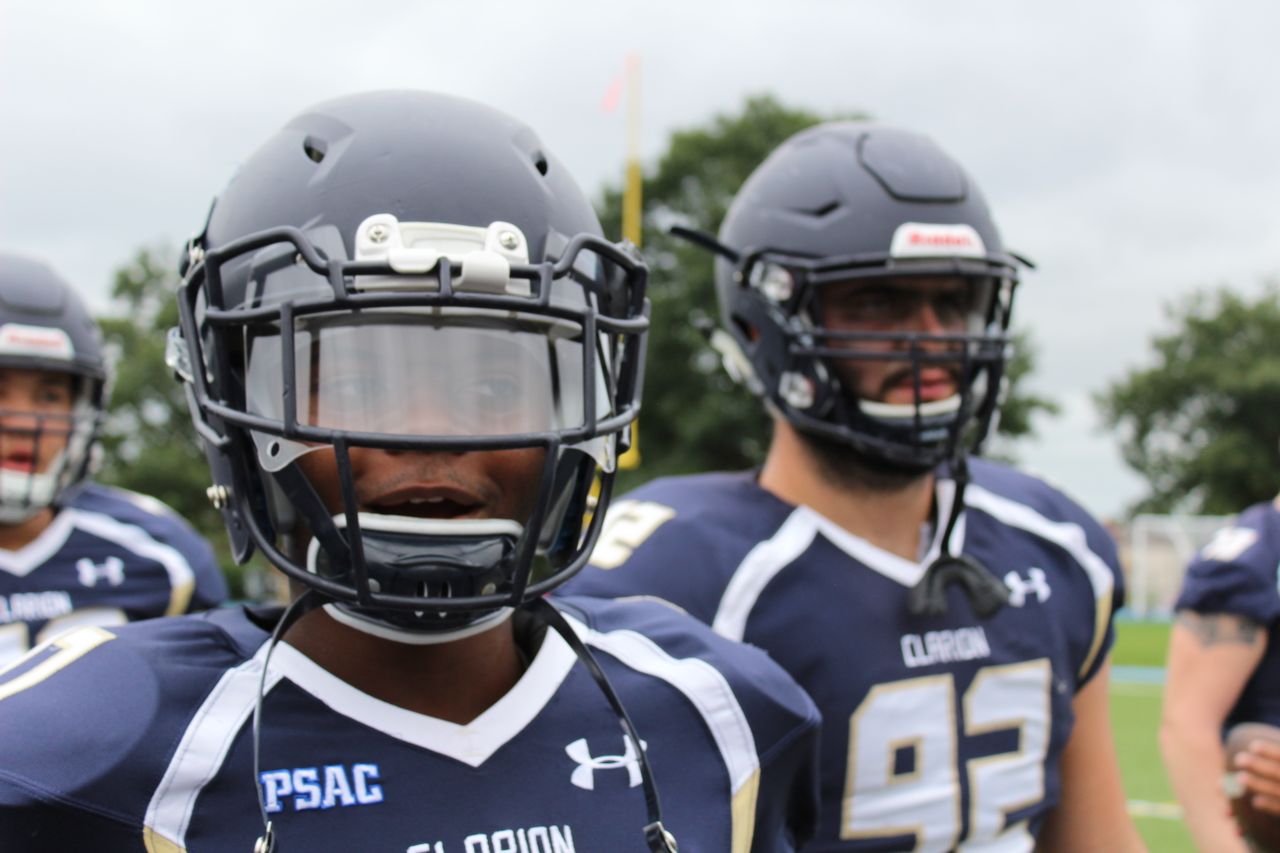
Protective eyewear
- Regular glasses and contact lenses do not protect your eyes. Glasses can shatter and cause injury, and contacts don’t protect.
- Use sports eyewear designed for your sport, with polycarbonate lenses and frames that meet ASTM F803 (for sports such as racquet sports, basketball, and baseball).
- Hockey and lacrosse: certified face protection or a full-face cage, per league rules
- Football: a polycarbonate eye shield on the helmet
- Paintball and airsoft: masks certified for the sport (such as ASTM F1776).
- Make sure it fits, is comfortable, and is replaced if damaged
- Children and teens should wear it too, and coaches and parents can set the example
- Athletes who see well with only one eye should always wear protective eyewear, and should talk with us about the risks of the sport
Pre-season eye exams for athletes
A pre-season exam checks your vision, updates your prescription, and finds problems that raise your risk, such as a thin retina or glaucoma risk, so you can play safely. Athletes who’ve had a previous eye injury or eye surgery should especially be checked.
Cost and insurance
Eye exams and treatment for injuries are generally covered by medical insurance (routine eye exams on healthy eyes may not be covered by medical insurance). Call us and we’ll check your benefits. CareCredit can be used for medical exams and procedures at our office (terms can vary). See insurance we accept
Why choose San Antonio Eye & Face Institute
- A glaucoma specialist who understands blunt trauma. Dr. Jones trained at Massachusetts Eye and Ear and Harvard, and has particular expertise in closed-globe injuries and the glaucoma that can follow them. Read Dr. Jones’s bio
- Team physician experience. He was a team physician for the San Antonio Rampage hockey team for six years.
- We know what can’t wait, and we’ll tell you honestly when you need the emergency room or a trauma center.
- Coordinated care with trusted retina and facial trauma specialists when you need them
- Cataract and glaucoma expertise for the long-term effects of eye injuries
- Physician-owned, so you see your doctors from your first exam to your last follow-up
- Se habla español
Request an Appointment
Call (210) 485-1488
Frequently asked questions
What are sports eye injuries? Sports eye injuries happen when the eye is hit by a ball, puck, stick, racket, elbow, fist, or other object, or injured in an accident during physical activity. They can cause pain, vision changes, and damage to structures inside and around the eye.
What are the most common sports eye injuries? Common injuries include corneal abrasions (scratches), black eyes, foreign bodies lodged in the cornea, hyphema (bleeding in the front of the eye), retinal tears and detachment, orbital fractures, damage to the lens, and damage to the eye’s drainage angle. Some are minor and others can threaten vision.
Which sports have the highest risk of eye injuries? Sports with balls, pucks, sticks, rackets, or close contact carry the most risk, including basketball, baseball and softball, tennis and pickleball, hockey, lacrosse, soccer, football, paintball and airsoft, fishing, and boxing and martial arts. Wearing the right protective eyewear greatly lowers the risk.
What is a closed-globe eye injury? A closed-globe injury happens when the eye is struck by a blunt object, such as a ball, puck, elbow, or fist, and the outer wall of the eye stays intact, although structures inside the eye can still be damaged. An open-globe injury cuts or penetrates the wall of the eye and is a surgical emergency.
What is hyphema? Hyphema is bleeding in the front of the eye, between the cornea and the iris, usually caused by a blow to the eye. It can cause pain, blurry vision, light sensitivity, and a visible layer of blood, and it can raise eye pressure, so it needs prompt evaluation and close follow-up.
Can a blow to the eye cause retinal detachment? Yes. Blunt trauma can tear or detach the retina, sometimes right away and sometimes days or weeks later. New flashes of light, a shower of floaters, or a curtain or shadow in your vision after an eye injury needs emergency care.
What is angle recession, and why does it matter? Angle recession is damage to the eye’s drainage angle caused by a blunt injury. It can lead to glaucoma years or even decades later, so people who have had a significant eye injury should have their eye pressure checked regularly.
Is a black eye serious? A black eye is bruising around the eye and often heals on its own, but it can hide serious injuries such as bleeding in the eye, a broken bone around the eye, or a retinal tear. Get checked right away if you have vision changes, double vision, severe pain, or blood in the eye.
What should I do right after an eye injury during a game? Stop playing and do not rub or press on the eye. Cover the eye gently, apply a cold compress without pressure, and get the eye checked the same day. Go to the emergency room for severe pain, vision loss, blood in the eye, or an object stuck in the eye.
When should an athlete go to the emergency room after an eye injury? Go to the emergency room or call 911 for a chemical splash, a penetrating injury or object stuck in the eye, sudden vision loss, double vision, severe pain, blood in the eye, a badly swollen eye, or a head injury with vision problems. Severe injuries should be seen at a trauma center like UT Health.
Can I return to play after an eye injury? Not until an eye doctor clears you. Return to play depends on the injury, and some need days while others need weeks or months. Returning too early risks re-injury and complications.
Can regular glasses or contact lenses protect my eyes during sports? No. Regular glasses can break and cause injury, and contact lenses do not protect the eye. Use protective sports eyewear designed for your sport.
What kind of protective eyewear should I use? Look for polycarbonate lenses and frames labeled as meeting ASTM F803 for sports such as racquet sports, basketball, and baseball, and use certified face protection for hockey and lacrosse and certified masks for paintball and airsoft. Ask us for recommendations for your sport.
Do children and teens need eye protection in sports? Yes. Children and teens are at high risk of eye injuries, and protective eyewear should be part of the uniform in sports with balls, sticks, rackets, or contact. Coaches and parents can set the example.
Can sports eye injuries cause long-term problems? Yes. Even injuries that seem to heal can lead to glaucoma, cataracts, or retinal detachment months or years later, which is why follow-up and regular eye exams after a significant injury are important.
What is Dr. Jones’s experience with sports eye injuries? Dr. Relief Jones, III is a glaucoma fellowship-trained ophthalmologist, trained at Massachusetts Eye and Ear and Harvard, with particular expertise in closed-globe trauma such as sports eye injuries. He also served as a team physician for the San Antonio Rampage hockey team for six years.
Do you treat retinal detachments and orbital fractures? We evaluate these injuries and coordinate urgent care with retina specialists and facial trauma specialists. Severe injuries, including chemical and penetrating injuries, should be seen at a trauma center.
How can I reduce my risk of an eye injury in sports? Wear protective eyewear designed for your sport every time you play, replace damaged eyewear, follow the rules of the game, and keep an eye on projectiles such as balls and pucks. Athletes who have already had an eye injury, or who see well with only one eye, should be especially careful and talk with us.
Does insurance cover sports eye injury care? Eye exams and treatment for injuries are generally covered by medical insurance, but coverage varies by plan, and emergency room visits are billed separately. Call our office and we will check your benefits.
This page is for general education and isn’t medical advice. In an emergency, call 911 or go to the nearest emergency room. Only an eye doctor can diagnose an eye injury and clear an athlete to return to play.