
Corticosteroids and the eye: glaucoma and cataract risk
Steroids can quietly raise eye pressure. Regular eye exams catch it early.
Corticosteroids are among the most widely used medicines, but they can increase the risk of eye conditions such as cataracts and glaucoma. Steroid injections, nasal sprays, and other forms can raise the pressure inside the eye (intraocular pressure), which can damage the optic nerve, and this can happen without any symptoms. That’s why eye check-ups matter for anyone using corticosteroids. At San Antonio Eye & Face Institute, Dr. Relief Jones, III, a glaucoma specialist, co-authored a review on corticosteroid-induced glaucoma with Douglas J. Rhee, MD, while a fellow at Harvard Medical School, and he can check your eyes and work with the doctor who prescribes your steroid. Se habla español.
Reviewed by Relief Jones, III, M.D. · Last updated: November 15, 2026
At a glance
| The concern | Corticosteroids can raise eye pressure (steroid-induced glaucoma) and cause cataracts |
| Symptoms | Often none. Damage can happen silently |
| Forms that can affect the eyes | Eye drops, injections, skin creams near the eyes, pills, inhalers, nasal sprays, and epidural or joint injections |
| Higher risk | Glaucoma or family history, very nearsighted, diabetes, rheumatoid arthritis, children and older adults, high doses, and long use |
| What to do | Tell your eye doctor about every steroid you use, and have regular eye exams that check eye pressure |
| If pressure rises | Reduce or change the steroid with your prescriber, and lower the pressure with drops, laser, or surgery if needed |
| Spanish | Se habla español |
Who uses corticosteroids?
Corticosteroids (steroids) calm inflammation and suppress the immune system, so they’re used for many conditions, including arthritis and other autoimmune diseases, allergies and asthma, skin conditions, back and joint pain, and eye inflammation. They’re often essential, but they have side effects, and the eyes are one place they can show up.
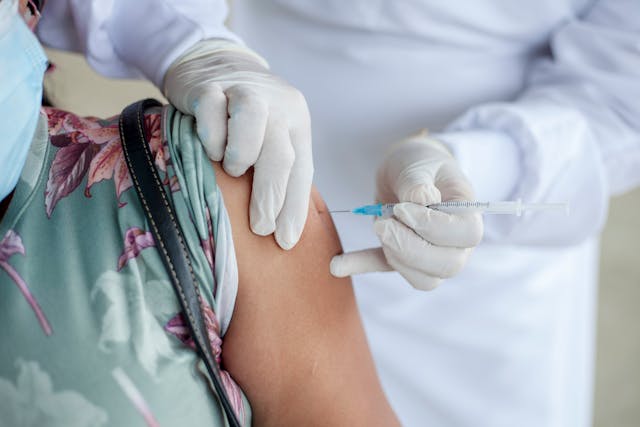
Which steroids can affect the eyes?
| Form | Examples | What to know |
|---|---|---|
| Steroid eye drops and ointments | Prednisolone, dexamethasone, loteprednol, fluorometholone | Most likely to raise eye pressure, depending on strength and how long they’re used |
| Injections in or around the eye | Triamcinolone, dexamethasone and fluocinolone implants | Can raise pressure, sometimes for months |
| Skin creams and ointments | Used on the eyelids or face | Long-term use near the eyes can raise pressure |
| Pills and IV steroids | Prednisone, methylprednisolone, dexamethasone | Risk rises with higher doses and longer use. Also linked to cataracts |
| Inhaled and nasal steroids | Fluticasone, budesonide, mometasone | Lower risk, but long-term use has been linked to higher risk, especially with risk factors |
| Spinal, epidural, joint, and soft-tissue injections | Used for pain | Absorbed into the body, and eye pressure rises have been reported |
Risk varies from person to person. Some people are “steroid responders,” whose eye pressure rises even with small amounts.
How steroids affect the eyes
Glaucoma (steroid-induced ocular hypertension)
In some people, steroids make it harder for fluid to drain out of the eye. The fluid backs up, eye pressure rises, and over time the higher pressure can damage the optic nerve, causing permanent vision loss (steroid-induced or secondary glaucoma). It typically causes no pain or early symptoms, and by the time vision is affected, damage may be advanced. It can start within days to weeks of starting a steroid, but it can also develop months later. If it’s found early, the pressure often returns to normal when the steroid is reduced or stopped, but sustained high pressure can cause lasting damage. Learn about glaucoma
Who is at higher risk: people who already have glaucoma or are glaucoma suspects, those with a family history of glaucoma, people who are very nearsighted, and those with diabetes or rheumatoid arthritis. Children and older adults are also at higher risk. Higher doses, stronger steroids, and longer use raise the risk. Jones R 3rd, Rhee DJ. Curr Opin Ophthalmol. 2006
Cataracts
Long-term or high-dose steroids can cause a posterior subcapsular cataract, which forms at the back of the lens and often causes glare and trouble reading, sometimes early in life. Dr. Jones performs cataract surgery to restore clear vision. Cataract surgery
Other eye effects
Steroids can also contribute to central serous chorioretinopathy (fluid under the retina), and steroid eye drops can worsen some eye infections and slow healing, which is why they should be used under an eye doctor’s care.
Dr. Jones’s review of steroid-induced glaucoma
Dr. Jones co-authored a review article with Douglas J. Rhee, MD, while a fellow at Harvard Medical School: “Corticosteroid-induced ocular hypertension and glaucoma: a brief review and update of the literature” (Current Opinion in Ophthalmology, 2006). The review looks at the risk factors, prevalence, and mechanisms of steroid-induced ocular hypertension and glaucoma, including glaucoma after intravitreal triamcinolone injections, to help clinicians prevent, monitor, and treat it. Read the abstract on PubMed
How often should you have your eyes checked?
| Situation | Suggested eye exam |
|---|---|
| Before or soon after starting long-term steroids | A baseline exam, including eye pressure, the optic nerve, and the lens |
| Soon after starting (especially steroid eye drops, injections near the eye, or high doses) | A pressure check within the first weeks to months |
| While continuing long-term steroids | At least yearly |
| With risk factors (glaucoma, family history, very nearsighted, diabetes, rheumatoid arthritis, children, older adults) | More often, as advised |
| Any eye pain, blurry vision, halos, or vision change | Call us promptly |
What happens at the exam
We check your eye pressure, examine your optic nerve and lens (with dilation), and may add an OCT scan of the optic nerve and visual field testing to look for early glaucoma damage. Bring a list of every steroid you use, with the form, dose, and how long you’ve used it, and the name of your prescribing doctor. We share the results with your doctor.
If your eye pressure is high
- We lower the pressure with eye drops, laser treatment, or, if needed, surgery, to protect your optic nerve.
- We coordinate with your prescribing doctor about reducing, changing, or finding alternatives to the steroid, since the best plan depends on why you need it. Please don’t stop it on your own.
- We monitor you closely, since pressure can change, and some people continue to need treatment after the steroid is stopped.
Tips for people who take corticosteroids
- Tell your eye doctor about every steroid you use, including creams, sprays, inhalers, and injections.
- Tell your other doctors if you have glaucoma, a family history of glaucoma, or other eye conditions.
- Have regular eye exams that check eye pressure, even if your vision seems fine.
- Don’t stop or change a steroid on your own.
- Know the warning signs and call promptly: eye pain, blurry vision, halos, or sudden vision change.
- Use steroid eye drops only as directed, and don’t use leftover drops.
For referring clinicians
Rheumatologists, dermatologists, pain medicine specialists, and other prescribers: corticosteroid-induced ocular hypertension can occur with any route of administration and is usually asymptomatic. We welcome referrals for baseline and periodic eye exams for patients on prolonged or high-risk steroid therapy, especially those with glaucoma, a family history of glaucoma, high myopia, diabetes, or rheumatoid arthritis. We send you the results, and we coordinate with you if steroid changes are needed. Download our one-page guide for clinicians:
Corticosteroids and the Eye: A Quick Guide for Prescribers (PDF)
To refer a patient, call (210) 485-1488 or fax a request to (210) 485-1489
Cost and insurance
Eye exams to monitor for medication-related eye problems are generally covered by medical insurance when they’re medically necessary, though coverage varies by plan. Call us and we’ll check your benefits.
See insurance we accept
Why choose San Antonio Eye & Face Institute
- A glaucoma specialist who has written on the topic. Dr. Jones trained at Massachusetts Eye and Ear and Harvard Medical School, and co-authored a review on corticosteroid-induced glaucoma. Read Dr. Jones’s bio
- Cataract surgery experience for steroid-related cataracts
- We work with your prescribing doctor, and we send our results
- A full range of glaucoma treatment, from drops and laser to surgery
- Spanish-speaking doctors and staff
- Physician-owned, so you see your doctors from your first exam to your last follow-up
Schedule an Eye Exam
Call (210) 485-1488
Frequently asked questions
Can corticosteroids affect the eyes? Yes. Corticosteroids, whether taken as eye drops, injections, nasal sprays, inhalers, pills, or skin creams, can raise eye pressure and lead to glaucoma, and they can cause cataracts. These problems can develop without any symptoms, so regular eye check-ups are important.
How do steroids raise eye pressure? In some people, corticosteroids make it harder for fluid to drain out of the eye through its drainage system. Fluid builds up, eye pressure rises, and over time the higher pressure can damage the optic nerve.
Can steroid injections or nasal sprays raise eye pressure? Yes. Steroid injections and nasal sprays can raise eye pressure in some people, which can lead to optic nerve damage. This can happen without symptoms, so anyone using corticosteroids should have regular eye exams.
Will I notice symptoms if steroids are raising my eye pressure? Usually not. Steroid-induced glaucoma typically causes no pain or early vision changes, and by the time vision is affected the optic nerve may already be damaged. That is why an eye exam that checks eye pressure is the only reliable way to find it.
Who is at higher risk of steroid-induced glaucoma? Higher risk includes people who already have glaucoma or are glaucoma suspects, those with a family history of glaucoma, people who are very nearsighted, and those with diabetes or rheumatoid arthritis. Children and older adults, higher doses, stronger steroids, and longer use also raise the risk.
How soon after starting steroids can eye pressure rise? It can happen within days to weeks, but it can also develop months later, so eye pressure should be checked after starting a steroid and periodically while you continue it.
Do corticosteroids cause cataracts? Yes. Long-term or high-dose corticosteroids can cause a type of cataract that forms at the back of the lens, called a posterior subcapsular cataract, which often causes glare and trouble reading. Cataract surgery can restore clear vision.
Which steroids are most likely to affect the eyes? Steroid eye drops and injections in or around the eye are the most likely to raise eye pressure, and stronger steroids and longer use raise the risk. Skin creams near the eyes, pills, inhalers, nasal sprays, and epidural, joint, and other injections can also affect the eyes in some people.
Is steroid-induced glaucoma reversible? If it is caught early, eye pressure often returns to normal after the steroid is reduced or stopped, but high pressure that lasts can permanently damage the optic nerve, and some people develop lasting glaucoma. Early detection is the key.
Should I stop my steroid if my eye pressure goes up? Do not stop it on your own. Some steroids, especially pills, must be tapered, and stopping suddenly can be harmful. Talk with the doctor who prescribes your steroid, and we can lower your eye pressure with treatment while you decide together.
How often should I have my eyes checked if I take corticosteroids? A good approach is a baseline eye exam when you start long-term steroid therapy, a pressure check soon after starting, and regular exams at least yearly while you continue. Your eye doctor will check more often if you have risk factors or use steroid eye drops or injections near the eye.
What happens at an eye exam for steroid users? We check your eye pressure, examine your optic nerve and the lens, and may do an OCT scan or visual field test to look for early glaucoma damage. We share your results with the doctor who prescribes your steroid.
How is steroid-induced glaucoma treated? Treatment may include reducing or changing the steroid with your prescribing doctor, pressure-lowering eye drops, laser treatment, or surgery if the pressure stays high. The goal is to protect the optic nerve.
I use steroid cream on my eyelids or face. Is that a problem? Long-term use of steroid creams on the eyelids or face can raise eye pressure and cause other eye problems. Tell your eye doctor and your dermatologist, and have your eye pressure checked.
I use an inhaled or nasal steroid. Do I need eye exams? The risk is lower than with steroid eye drops, but it is not zero, especially with long-term or high-dose use or if you have risk factors such as a family history of glaucoma. Tell your eye doctor and have regular eye exams.
What about steroid injections for pain, such as epidural or joint injections? Steroids from injections can be absorbed into the bloodstream, and eye pressure rises and other eye problems have been reported. Tell your eye doctor about any steroid injections, and tell your pain doctor if you have glaucoma or a family history of it.
Does Dr. Jones have special expertise in steroid-induced glaucoma? Dr. Relief Jones, III is a glaucoma fellowship-trained ophthalmologist who co-authored a review on corticosteroid-induced ocular hypertension and glaucoma with Douglas J. Rhee, MD, while a fellow at Harvard Medical School.
Do you work with rheumatologists, dermatologists, and pain medicine doctors? Yes. We welcome referrals from rheumatologists, dermatologists, pain medicine specialists, and other doctors whose patients take corticosteroids, and we share the results of the eye exam with the referring doctor.
Is an eye exam for steroid users covered by insurance? Eye exams to monitor for medication-related eye problems are generally covered by medical insurance when they are medically necessary, but coverage varies by plan. Call our office and we will check your benefits.
This page is for general education and isn’t medical advice. Never stop or change a steroid or other medicine without talking to the doctor who prescribes it. Only an eye doctor can tell whether steroids are affecting your eyes.